
Does Getting a Dental Crown Hurt?
February 4, 2026
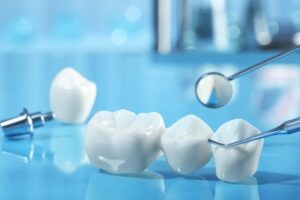
If your dentist has recommended a dental crown, you may be wondering whether the procedure will be painful. Dental crowns are commonly used to restore damaged, weakened, or severely decayed teeth. They are designed to strengthen teeth while improving their appearance and function. Fortunately, modern dental techniques and anesthesia options make getting a dental crown a comfortable and routine procedure for most patients.
What is a Dental Crown?
A dental crown is a custom-made cap that fits over a damaged tooth. It helps restore the tooth’s shape, size, strength, and appearance. Dentists often recommend crowns for teeth that are cracked, worn down, or weakened after procedures like root canals or large fillings. Crowns can be made from various materials, including porcelain, ceramic, metal, or a combination of materials, depending on your specific needs.
While the idea of having a crown placed may sound intimidating, the process is generally straightforward and designed to minimize discomfort.
What to Expect During the Procedure
The dental crown process typically requires two appointments. During the first visit, your dentist prepares the tooth by removing decay and shaping it to allow room for the crown. Before beginning, your dentist will numb the area using a local anesthetic. This ensures you should not feel pain during the procedure, although you may feel slight pressure or vibration from dental tools.
After preparing the tooth, your dentist will take impressions to create your custom crown. A temporary crown is usually placed to protect the tooth until the permanent crown is ready. During your second appointment, the dentist removes the temporary crown and bonds the permanent crown securely in place. This step is usually quick and comfortable.
Is There Pain After Getting a Crown?
Most patients experience little to no pain after the procedure. However, mild soreness or sensitivity is normal, especially once the numbness from anesthesia wears off. You may notice sensitivity to hot or cold temperatures for a few days, particularly if the tooth still has a living nerve. This sensitivity usually fades as your tooth adjusts to the new crown.
Some people may also experience mild gum tenderness around the treated tooth. Over-the-counter pain relievers are often enough to manage any temporary discomfort. If pain persists or worsens, it is important to contact your dentist to rule out any issues with the crown’s fit or the underlying tooth.
How to Make Recovery More Comfortable
To help minimize discomfort after getting a dental crown, avoid chewing hard or sticky foods until your permanent crown is placed. Continue brushing and flossing gently around the treated area to keep it clean and prevent irritation. Using toothpaste designed for sensitive teeth may also help reduce temporary sensitivity.
Getting a dental crown is generally not painful thanks to modern dental technology and anesthesia. While mild sensitivity or soreness may occur afterward, it is typically temporary and manageable. Dental crowns play an important role in restoring damaged teeth, improving oral function, and enhancing your smile.
About the Author
Dr. Ronan Freyne graduated from the University of Medicine and Dentistry of New Jersey, followed by a general practice residency at Mountainside Hospital in Montclair, NJ. He actively participates in continuing education courses, meetings, and lectures on oral healthcare. He’s a founding member of the Millennium Dental Study Club and a member of the American Dental Association, the Academy of General Dentistry, and the Maryland State Dental Association. If you’re in the market for a dental crown, book an appointment with us online or call our Chevy Chase office at (301) 986-0700.
No Comments
No comments yet.
RSS feed for comments on this post.
Sorry, the comment form is closed at this time.